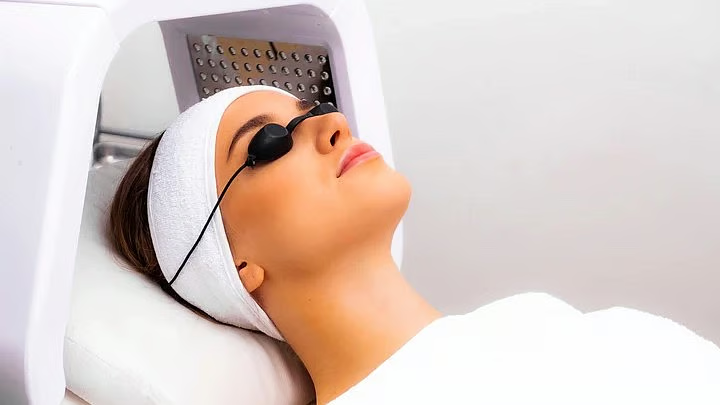
LED (light-emitting diode) therapy treats various skin conditions and concerns
LED (light-emitting diode) therapy treats various skin conditions and concerns. It comes in different types, including red light and blue light, which are sometimes used in combination. LED light therapy is a non-invasive treatment that enters the skin’s layers to improve the skin. Skin specialists often use LED light therapy together with other treatments, such as creams, ointments, and facials, to give you the best results.
Conditions Treated
LED light therapy helps treat a variety of skin concerns and conditions, including:
- Eczema
- Hair loss
- Mild to moderate acne
- Rosacea
- Sun damage
- Wounds
- Wrinkles
- In some cases, small and superficial basal cell carcinoma (BCC)
How It Works
LED light therapy uses various wavelengths that correspond to different visible colours. Each colour penetrates the skin at different depths:
- Blue light affects the uppermost layer of your skin.
- Yellow light penetrates deeper.
- Red light travels further into your skin.
- Near-infrared light penetrates deepest.
Red LED light therapy may reduce inflammation and stimulate the production of collagen. Blue LED light therapy may destroy acne-causing bacteria.
Duration
To see significant benefits, you typically may need a treatment each week for about a month. Then you might need maintenance treatments every month or every few months.
Who Should Avoid LED Light Therapy
LED light therapy isn’t appropriate for everyone, including people who take certain medications that increase their sensitivity to sunlight, such as isotretinoin and lithium. It should also be avoided by people who have a history of certain conditions, including skin cancer and inherited eye diseases.
What Happens During the Therapy
After putting on your goggles, you’ll lie on your back as your healthcare provider places the LED light therapy device above your face. Remain still during the entire treatment as the device works. The treatment usually lasts about 20 minutes.
The Risks
LED light therapy is a non-invasive, painless treatment. During treatment, you might feel some warmth but no discomfort. It is a safe, relatively risk-free procedure. If you’re thinking about buying an at-home mask or device, be sure it’s marked “FDA cleared” or “FDA approved.” Always wear eye protection, such as sunglasses or goggles, and carefully follow instructions to ensure correct use.
Side effects are rare but may include increased inflammation, rash, redness, and/or pain.
Point to Consider
Before opting for LED light therapy or buying an at-home device, consider consulting a dermatologist. This ensures you receive the correct diagnosis and treatment for your skin issue. What looks like ageing or blemished skin, for example, may really be skin cancer. LED light therapy isn’t appropriate for everyone, and experts don’t yet know much about its long-term effects.
Trackbacks and Pingbacks