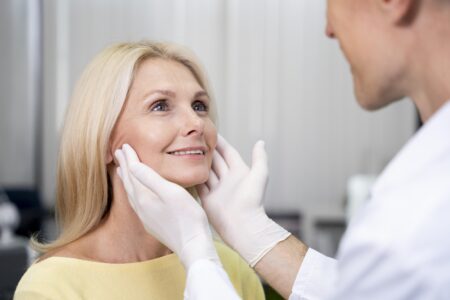
Best Anti-Ageing Treatments for Healthier-Looking, Smoother Skin in Mumbai Dadar
Ageing skin can develop fine lines, wrinkles, uneven skin tone, pigmentation, and changes in texture or firmness. The right anti-ageing treatment depends on your skin type, primary concerns, medical history, and desired outcome. At Sskin Savvy Advanced Aesthetics, a personalised consultation (+91 98218 80678) can help determine which professional skin treatment, skincare routine, or combination of approaches may be suitable for your needs.
Looking for an Anti-Ageing Treatment Tailored to Your Skin?
Book a consultation (+91 98218 80678) to discuss your concerns, understand your options, and develop a realistic treatment plan with an appropriately qualified professional.
What Are Anti-Ageing Treatments?
Anti-ageing treatments are professional procedures and skincare approaches designed to improve the visible signs of skin ageing. Depending on the method, they may target fine lines, wrinkles, uneven pigmentation, rough texture, or reduced skin firmness.
Treatment selection should be based on an individual assessment rather than age alone, because different skin concerns require different approaches.
Skin ageing is influenced by several factors, including natural changes over time, ultraviolet (UV) exposure, genetics, lifestyle, and environmental conditions. A suitable treatment plan focuses on the concerns that matter most to you while protecting the skin barrier and maintaining realistic expectations.
At Sskin Savvy, ask about the specific treatments available, their suitability for your skin, expected downtime, potential risks, and the number of sessions that may be recommended.
Which Skin Concerns Can Anti-Ageing Treatments Address?
Anti-ageing treatment is not a single procedure. Different methods are designed to address different concerns, and no treatment is appropriate for everyone.
Common concerns that may be assessed during a consultation include:
- Fine lines and wrinkles: Lines that become more noticeable with facial expression or over time.
- Uneven skin tone: Areas of discolouration or a complexion that appears less uniform.
- Age spots and pigmentation: Darker areas that require assessment to determine their cause before treatment.
- Rough or uneven texture: Skin that feels less smooth or appears dull.
- Loss of firmness: Changes in skin elasticity or the appearance of sagging.
- Dehydration and dryness: Skin that feels tight or looks less plump because of reduced moisture.
The appropriate approach depends on the underlying concern. For example, surface pigmentation may require a different treatment strategy from dynamic wrinkles or loss of facial volume. A qualified professional can help distinguish between these issues before recommending a procedure.
Types of Anti-Ageing Skin Treatments
Professional skin rejuvenation may involve topical skincare, superficial procedures, energy-based devices, or injectable treatments, depending on the clinic’s services and the patient’s needs. Each option has different benefits, limitations, recovery requirements, and safety considerations.
1. Professional Facials and Skin Rejuvenation
Professional facials and selected skin treatments may help improve hydration, temporarily enhance the appearance of dull skin, and support a smoother-looking complexion.
The benefits depend on the products, techniques, and devices used.
These treatments may be considered when the main concern is dryness, dullness, or mild textural irregularity. They should not be presented as equivalent to procedures that target deeper wrinkles, significant skin laxity, or substantial volume loss.
Ask the provider which active ingredients or techniques are used, whether they suit your skin type, and what results can reasonably be expected.
2. Chemical Peels
Chemical peels use carefully selected chemical solutions to exfoliate the skin to a depth determined by the formulation and procedure. Depending on the peel and the indication, they may improve selected pigmentation concerns, surface texture, or certain types of acne-related changes.
The depth of treatment influences recovery time and the risk of irritation or pigmentary changes. Skin tone, previous reactions, active skin conditions, recent procedures, and sun exposure all matter when assessing suitability.
A qualified professional should explain preparation, aftercare, expected peeling, and the risks of post-inflammatory hyperpigmentation before treatment.
3. Microneedling RF
Microneedling uses fine needles to create controlled micro-injuries in the skin. Depending on the device and treatment indication, it may be used to improve selected textural concerns, including some forms of acne scarring and fine lines.
Results are gradual, and more than one session may be recommended. Temporary redness, swelling, and discomfort can occur. Infection, scarring, and pigmentation changes are possible complications, particularly when the procedure is performed inappropriately or aftercare is inadequate.
Microneedling should be considered only after a professional assessment. The device, treatment depth, practitioner qualifications, and hygiene standards are important factors in choosing a provider.
4. Laser and Energy-Based Devices for Skin Treatments
Selected laser and energy-based procedures may target concerns such as pigmentation, redness, wrinkles, laxity, sagging or skin texture. The appropriate technology like HIFU, Density RF, Thermage, XERF, or CO2 fractional laser depends on the specific indication, skin type, need and practitioner’s experience.
These procedures are not interchangeable. Different technologies act on different skin structures, and the wrong device or settings may increase the risk of burns, scarring, or unwanted pigmentation.
Before proceeding, ask which device is proposed, what evidence supports its use for your concern, how many sessions may be needed, and whether a test spot or additional precautions are appropriate.
5. Injectable Treatments
Certain injectable procedures may address specific signs of facial ageing. For example, botulinum toxin can reduce the appearance of selected dynamic wrinkles, while appropriately selected dermal fillers may restore volume or soften certain facial folds.
These are medical aesthetic procedures with distinct indications, contraindications, and risk profiles. They should be assessed and performed by an appropriately qualified practitioner in accordance with applicable local regulations.
Potential complications vary by procedure. Injectable fillers, for example, can rarely cause serious vascular complications. A consultation should cover alternatives, risks, product suitability, expected duration, and what to do if a complication develops.
6. Medical-Grade Skincare
A well-chosen skincare routine is an important part of managing visible skin ageing. Depending on the individual’s needs, it may include sunscreen, moisturiser, and selected active ingredients.
Dermatology guidance identifies broad-spectrum sunscreen with SPF 30 or higher and moisturiser as foundational anti-ageing skincare measures. Retinoids may help improve selected concerns, including fine lines, uneven pigmentation, and texture, but can also cause irritation and are not appropriate for everyone.
Read the American Academy of Dermatology’s guidance on choosing anti-ageing skincare products for additional information.
Which Anti-Ageing Treatment Is Right for You?
The best treatment is the one that appropriately addresses your main concern while accounting for your skin type, health history, budget, recovery preferences, and tolerance for risk. There is no universally superior procedure, and a more intensive treatment is not automatically a better choice.
Use this comparison as a starting point for discussion with your treating professional.
| Main Concern | Options That May Be Considered | Important Consideration |
|---|---|---|
| Dryness and dullness | Moisturiser, selected facials, suitable skincare | Results from hydration-focused treatments may be temporary |
| Mild surface texture concerns | Selected chemical peels or topical skincare | Irritation and pigmentation risks depend on the method |
| Fine lines | Sunscreen, selected retinoids, or indication-specific procedures | Dynamic wrinkles differ from static lines |
| Uneven pigmentation | Targeted skincare or selected procedures | The cause of pigmentation should be assessed first |
| Acne scarring | Selected resurfacing procedures or microneedling | Scar type, skin tone, and downtime influence selection |
| Loss of facial volume | Assessment for an appropriate medical aesthetic procedure | Volume loss differs from skin laxity and surface wrinkles |
The options above are general categories, not individual treatment recommendations. Their appropriateness depends on a clinical assessment and the services actually offered by the clinic.
How it Works
A typical consultation may include:
Skin assessment
Discussion of skin type, visible concerns, previous treatments, and current skincare.
Medical history
Review of relevant conditions, allergies, medications, previous reactions, and other factors that could affect treatment suitability.
Treatment discussion
Explanation of appropriate options, alternatives, expected outcomes, potential side effects, and recovery requirements.
Personalised planning
Agreement on treatment priorities, session frequency where relevant, costs, and aftercare.
Informed consent
An opportunity to ask questions and make a decision without pressure.
Not every person will require a procedure. Depending on the assessment, a skincare plan, further evaluation, or referral may be more appropriate.
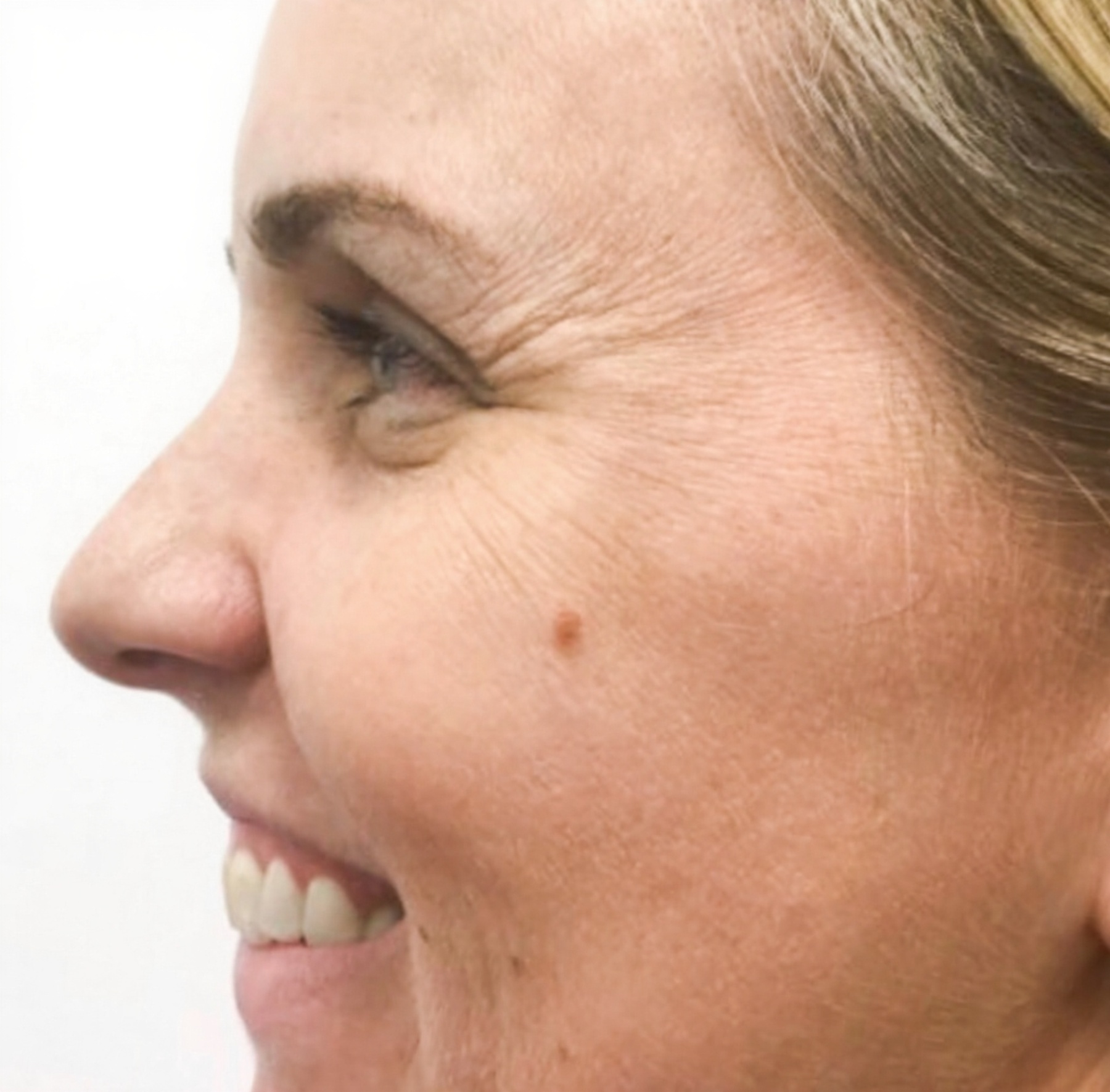
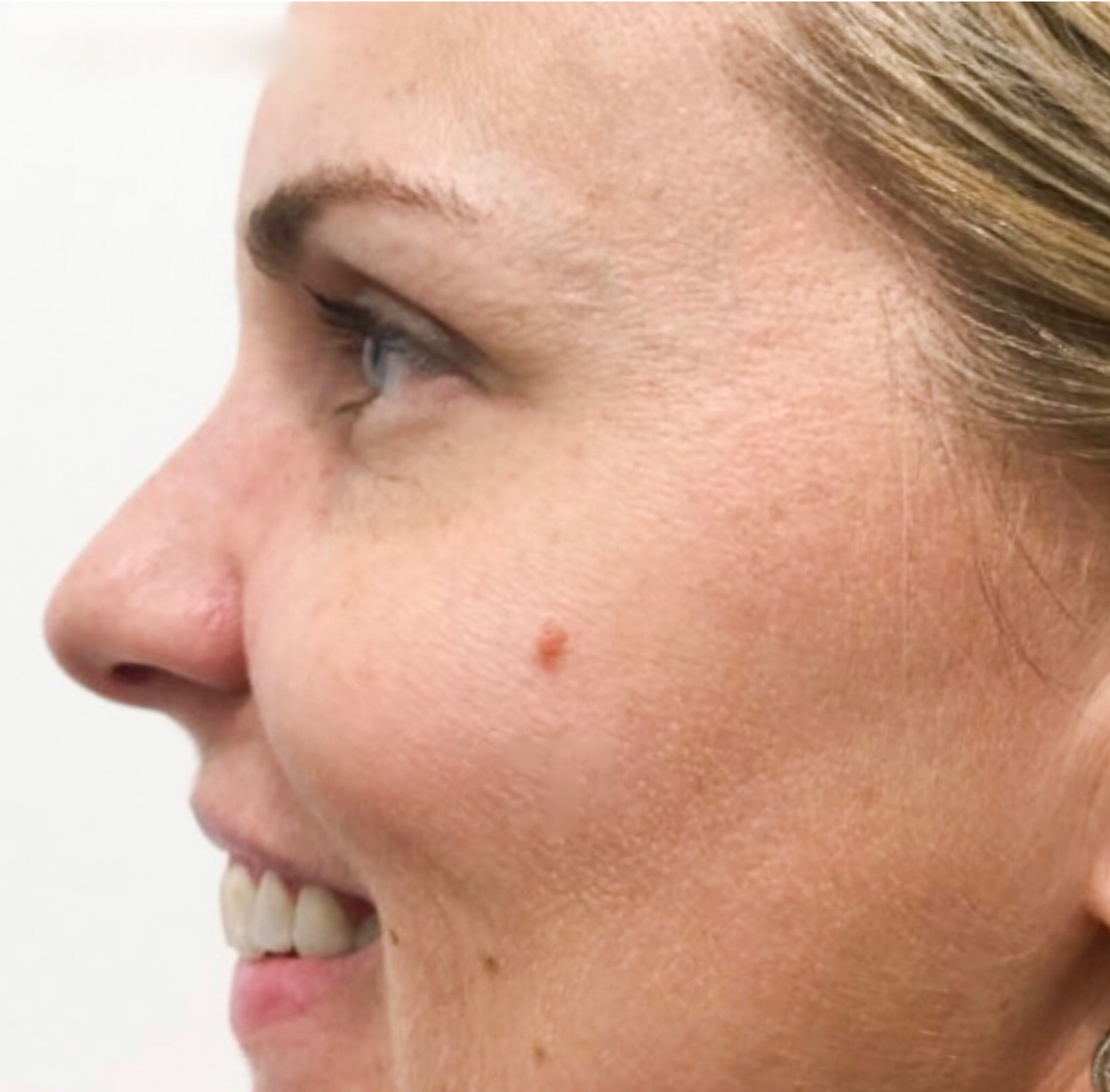
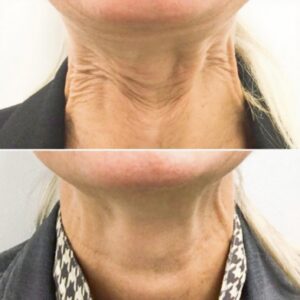
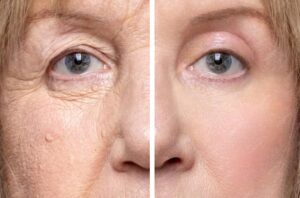
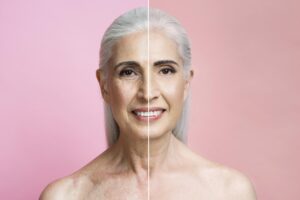
Success Stories
How Many Sessions Are Needed, and When Will You See Results?
The number of sessions and the time required to see results depend on the treatment, the concern being addressed, individual skin response, and adherence to aftercare. Some treatments produce an immediate but temporary change in appearance, while others rely on gradual tissue responses and may require several sessions.
There is no single timeline that applies to every anti-ageing procedure. Before treatment, ask your practitioner to explain:
- The expected timeframe for initial and final results.
- The likely number and spacing of sessions.
- How long any improvement may last.
- Whether maintenance treatments are recommended.
- What signs of an adverse reaction require medical attention.
Any timeline or expected duration should be specific to the procedure being offered and supported by appropriate evidence.
Is Anti-Ageing Treatment Safe for Every Skin Type?
No. The safety and suitability of a procedure depend on the individual, the skin concern, the technology or product used, and the practitioner’s expertise. People with sensitive skin, active inflammatory conditions, a history of abnormal scarring, or previous pigmentary reactions may need additional assessment or a different treatment approach.
Before undergoing treatment, disclose relevant medical conditions, medications, allergies, previous procedures, and any history of unusual healing or pigmentation. Pregnancy, active infection, certain medications, and particular skin conditions may affect whether some procedures should be postponed or avoided.
For skin of colour, treatment selection and technique deserve particular attention because inflammation can sometimes trigger persistent post-inflammatory hyperpigmentation. Ask about the provider’s experience treating skin tones similar to yours and the precautions used to minimise risk.
Do not proceed if you have not received a clear explanation of the procedure, its risks, alternatives, and aftercare.
How to Maintain Results After Treatment
Long-term skin care helps protect the skin and support the results of appropriate professional treatments. Maintenance should be tailored to your skin and the procedure you have undergone.
Consider these foundational measures:
- Use daily sun protection: Choose a broad-spectrum sunscreen with SPF 30 or higher and reapply as directed on the product label, particularly during outdoor exposure.
- Moisturise consistently: Use a product suited to your skin type to support hydration and the skin barrier.
- Introduce active ingredients carefully: Retinoids and exfoliating products can irritate the skin, especially when introduced too quickly or combined with procedures.
- Follow procedure-specific aftercare: Your provider should explain when to resume active skincare, exercise, makeup, or other activities.
- Attend follow-up appointments where advised: Review the response to treatment and report unexpected changes promptly.
Avoid adding multiple new active products immediately after a procedure unless your treating professional has advised that they are appropriate.
Why Choose Sskin Savvy for Anti-Ageing Treatment?
Choosing a provider should involve more than comparing treatment names or promotional offers. Look for a clear consultation process, appropriate practitioner qualifications, evidence-based recommendations, transparent pricing, and an honest discussion of risks and expected results.
Sskin Savvy’s service page should help prospective clients understand the clinic’s actual approach to assessment, treatment selection, and follow-up.
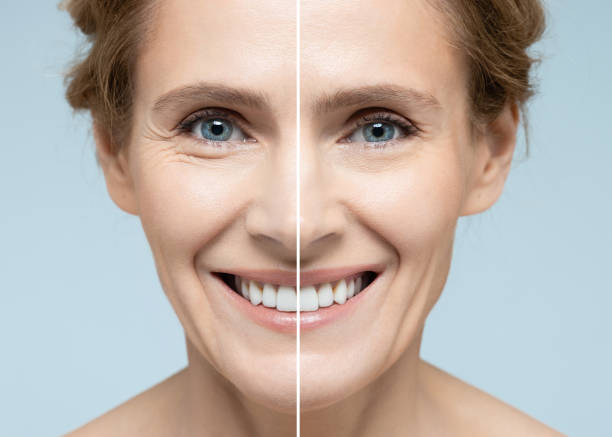
have a question?
Quick answers to questions you may have
What is the most effective anti-ageing treatment?
There is no single most effective treatment for every sign of ageing. Sunscreen and moisturiser are foundational skincare measures, while other options target particular concerns such as wrinkles, pigmentation, texture, or volume loss. The most suitable approach depends on the concern, skin type, health history, and acceptable recovery time.
At what age should I start anti-ageing treatment?
There is no universal age at which everyone should begin professional anti-ageing procedures. Daily sun protection and appropriate skincare can help reduce premature skin ageing at different life stages. Professional treatments are best considered when a specific concern arises and an assessment indicates that a procedure is appropriate.
Can anti-ageing treatments remove wrinkles permanently?
Most anti-ageing treatments do not permanently eliminate wrinkles. Results vary by procedure and individual, and some treatments require maintenance. Sun exposure, natural ageing, facial movement, and other factors continue to affect the skin over time. A practitioner should explain the likely duration of improvement before treatment.
Are anti-ageing treatments suitable for sensitive skin?
Some treatments may be suitable for sensitive skin, but others can worsen irritation or inflammation. The cause and severity of sensitivity should be assessed before choosing a procedure or active skincare ingredient. Inform your provider about previous reactions, current products, and any diagnosed skin conditions.
How much does anti-ageing treatment cost?
The cost depends on the procedure, treatment area, number of sessions, products or devices used, and the provider’s fees. Request an itemised estimate that explains consultation charges, the likely treatment plan, and any expected maintenance costs. Skin Savvy should publish verified prices or clearly explain how to obtain a quotation.
What should I do before an anti-ageing treatment?
Follow the preparation instructions supplied for your specific procedure. Disclose medications, allergies, medical conditions, recent treatments, and any history of abnormal scarring or pigmentation. Do not discontinue prescribed medication or begin aggressive exfoliation without professional advice. Some procedures require specific preparation or postponement.
Can I combine different anti-ageing treatments?
Some treatments can be combined, but the order and timing matter. Combining procedures without considering irritation, healing, contraindications, and cumulative risks may lead to complications. Your practitioner should establish whether a combination is appropriate and provide a clear schedule for treatments and skincare.
How do I book an anti-ageing consultation at Sskin Savvy?
Contact Sskin Savvy through the clinic’s verified booking or +91 9821880678 to arrange a consultation. Explain your main skin concerns and ask which services may be suitable, what the consultation costs, and whether any preparation is required. Treatment should be recommended only after an appropriate assessment.
Take the Next Step Towards a Personalised Skin Plan*
Choosing an anti-ageing treatment begins with understanding what you want to improve and which options are appropriate for your skin. A professional assessment can help you compare available treatments, understand potential risks, and set realistic expectations for results and maintenance.
Book Your Consultation with Sskin Savvy at Dadar, Mumbai
At Sskin Savvy Advanced Aesthetics, Dadar West, Mumbai, a consultation can help you understand whether the treatment is appropriate for your skin and hair type, what results may be realistic, and how many sessions you may need.
Contact Sskin Savvy today to enquire about laser hair reduction and request a personalised consultation.
Dr Usha Beloskar’s
Sskin Savvy Advanced Aesthetics
Kohinoor Square, B 403, Central Tower, 4th Floor, Shivaji Park, Dadar West, Mumbai 400028
Phone:
+91 98218 80678
+91 89609 60962
+91 99309 80678
Opening Hours:
Monday to Saturday,
10:00 AM–8:00 PM
Treatment suitability and results vary between individuals. A clinical consultation is necessary to assess potential benefits, risks and appropriate treatment options.