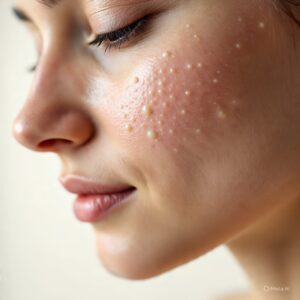
Milia Removal in Mumbai Dadar
What are Milia?
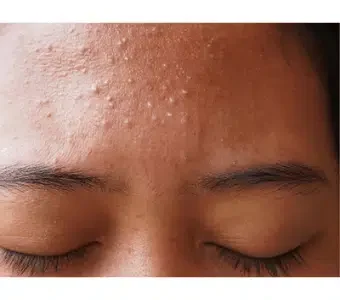
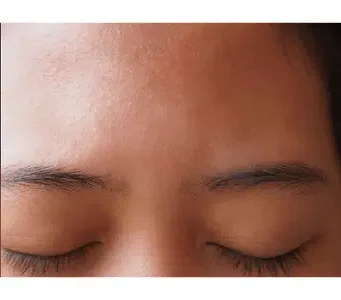
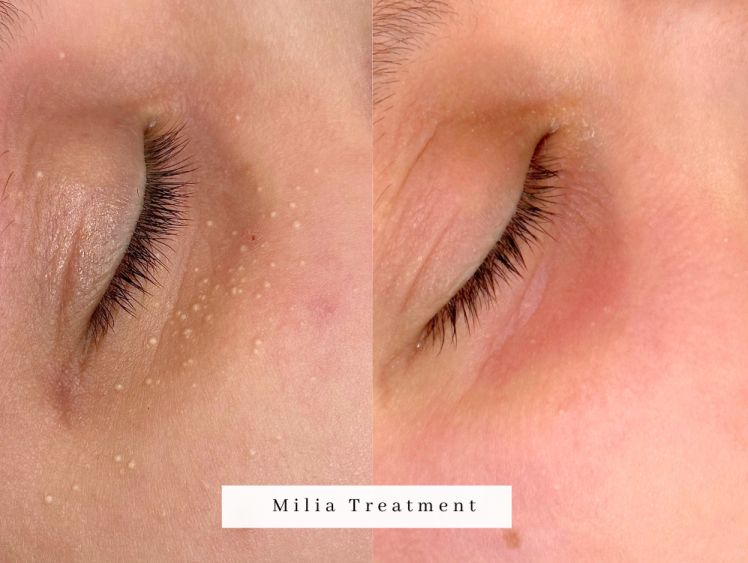
Milia are small, white or yellowish keratin-filled cysts that can appear on the skin, often around the cheeks, nose, and eyes. While they are harmless and often resolve on their own, especially in newborns, adults may seek removal for cosmetic reasons.
Types of Milia Removal
There are several ways to remove milia, including:
Professional Removal
- Manual Extraction: A dermatologist uses a sterile needle or small surgical blade to make a tiny incision in the skin and extract the keratin trapped inside.
- Cryotherapy: This treatment uses liquid nitrogen to freeze and destroy the milia.
- Laser Ablation: A small, precise laser targets and breaks down the milia cysts.
- Chemical Peels: Applying a high-strength chemical solution can help remove the top layer of skin and clear the milia.
- Dermabrasion: This technique uses a handheld device to exfoliate the top layer of skin, similar to a deep physical exfoliation.
At-Home Care
- Exfoliate: Use over-the-counter exfoliants containing ingredients like glycolic or salicylic acid two to three times a week to help remove dead skin cells.
- Cleanse and Steam: Wash your face gently with a mild cleanser twice a day. Steaming your face can also help to open up pores and may aid in the process.
- Use Lightweight Products: Avoid thick, heavy creams, especially around the eyes, that can clog pores and worsen milia. Look for “non-comedogenic” products.
Prevention
While not all milia are preventable, especially in infants, you can reduce your risk of developing them by adopting good skincare habits.
- Protect from the Sun: Excessive sun exposure can cause skin damage and make it harder for dead skin cells to shed. Use a lightweight, broad-spectrum sunscreen daily.
- Avoid Heavy Cosmetics: Limiting or avoiding heavy oil-based makeup and creams can help prevent your pores from getting clogged.
- Cleanse Regularly: Wash your face with a mild cleanser twice a day to prevent the build-up of dead skin and debris.
- Be Cautious with Topical Steroids: Long-term use of steroid creams can be a contributing factor to milia formation. Use these medications only as directed by your doctor.
How it Works
Skin cell turnover
Your body naturally sheds old, dead skin cells from the outer layer of skin to reveal fresh cells underneath.
Improper shedding:
Instead of falling away as they should, the dead skin cells become trapped beneath the new layer of skin.
Keratin buildup
The trapped cells, made of a protein called keratin, harden and accumulate into a tiny, cyst-like formation.
Appearance of milia
This hard, white or yellowish cyst then becomes visible on the skin’s surface, most commonly on the face around the eyes, cheeks, or nose.


have a question?
Quick answers to questions you may have
What causes milia?
Milia are caused by keratin-filled cysts that can appear on the skin, often around the cheeks, nose, and eyes.
Are milia contagious?
No, milia are not contagious.
Can milia be prevented?
While not all milia are preventable, adopting good skincare habits can reduce your risk of developing them.
How are milia removed?
Milia can be removed through professional medical treatments, such as manual extraction, cryotherapy, laser ablation, chemical peels, and dermabrasion.