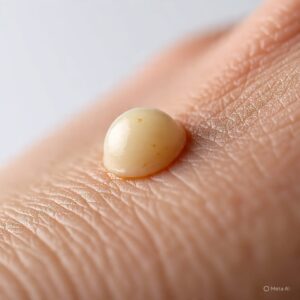
Molluscum Removal in Mumbai Dadar
What is Molluscum Contagiosum?
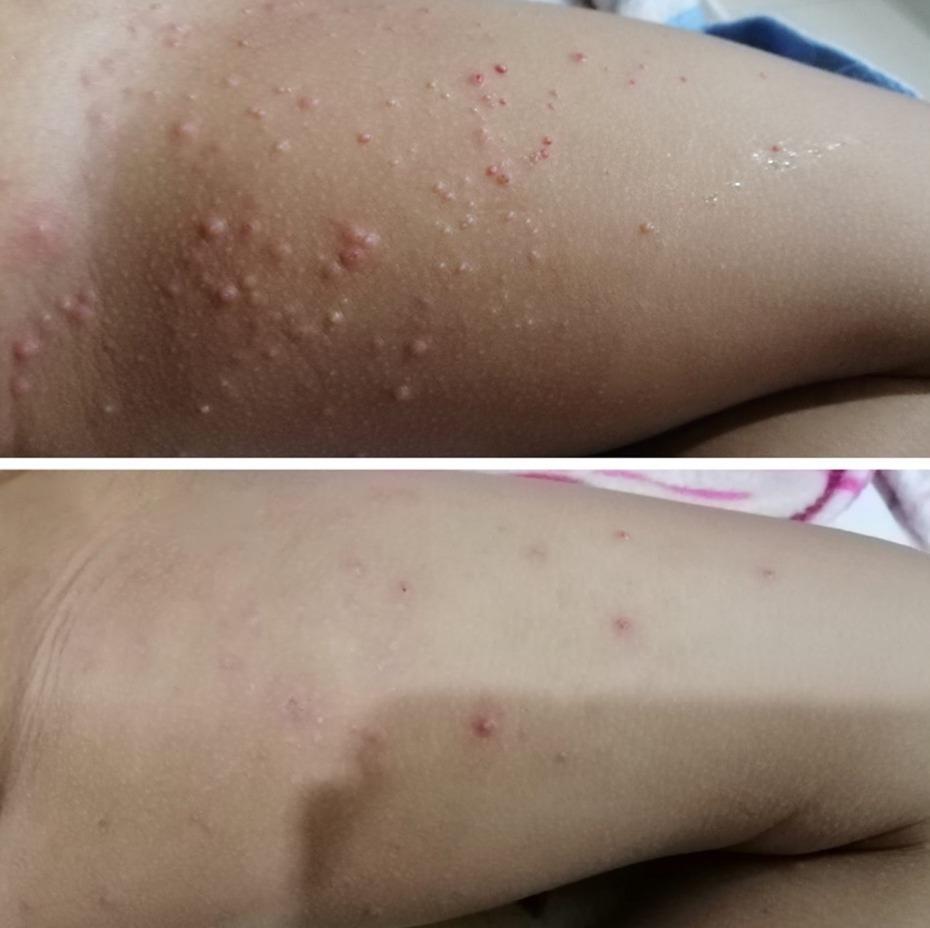
Molluscum contagiosum is a viral skin infection that causes small, painless bumps on the skin.
The virus is highly contagious and can spread through direct contact with an infected person or contaminated objects.
Symptoms of Molluscum Contagiosum
The symptoms of molluscum contagiosum include:
- Small, painless bumps on the skin
- Bumps are usually white or flesh-colored
- Bumps can appear anywhere on the body, but are most common on the face, neck, and genital area
Treatment Options
While molluscum contagiosum often clears up on its own within 6 to 18 months,
treatment can be done to prevent the infection from spreading, for cosmetic reasons,
or if the lesions become widespread or irritated. A doctor or dermatologist may recommend
one or more professional removal methods, including:
Professional Removal Methods
- Topical Therapies: A doctor can apply prescription creams or solutions in their office to cause the bumps to blister and then fall off.
- Cryotherapy: This process involves freezing the bumps with liquid nitrogen to destroy them.
- Curettage: A dermatologist uses a small instrument called a curette to scrape the bumps off the skin.
- Laser Therapy: A pulsed dye laser can be used to destroy the bumps, which is a good option for widespread or resistant cases.
Home Management
If you choose to let molluscum clear on its own, it is essential to practice good hygiene to prevent spreading the virus.
- Avoid Scratching: Refrain from scratching, rubbing, or picking the bumps, which can spread the infection.
- Cover the Bumps: Use clothing or a waterproof bandage to cover the bumps to prevent touching and spreading the virus.
- Don’t Share Personal Items: Avoid sharing towels, washcloths, clothing, or other items that have touched the infected skin.
- Avoid Genital Contact: If molluscum is present in the genital area, avoid sexual contact until the bumps have cleared.
When to See a Doctor
You should see a healthcare professional if:
- The bumps are located on the genitals
- You have a weakened immune system
- The molluscum is widespread or lasts for a long time
- The bumps become painful, very itchy, or show signs of a secondary infection
How it Works
Preparation and Numbing:
The area around the molluscum lesions is cleaned. A numbing cream or a local anesthetic injection is often applied or administered to minimize pain and discomfort during the procedure [2].
Destruction or Removal of the Lesion
The healthcare provider uses a specific tool or technique to either destroy the lesion or physically extract its core, which contains the virus.
- Curettage: A small, loop-shaped instrument called a curette is used to scrape off the lesion [2].
- Cryotherapy: Liquid nitrogen is applied to the lesion to freeze and destroy the infected cells [2].
- Laser Therapy: A focused beam of light is used to destroy the lesion [2].
Completion and Aftercare
Once the lesions are removed or treated, the provider may apply a topical antibiotic ointment or a bandage to prevent infection and aid healing [2]
Healing and Follow-up:
The treated area will scab over and heal over the next few days to weeks. Multiple treatment sessions may be required to address any remaining lesions or new ones that appear during the follow-up period, as existing treatments only address current lesions and don’t prevent new ones from forming [2]

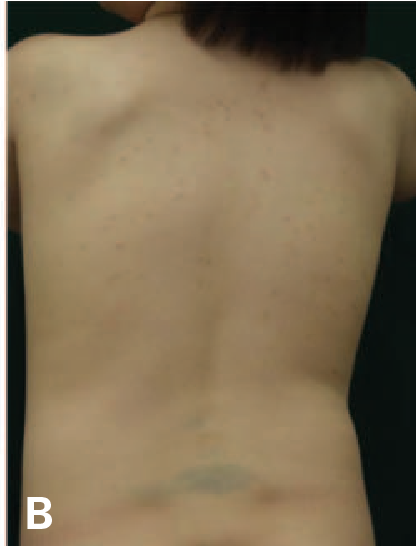

have a question?
Quick answers to questions you may have
Q: What causes molluscum contagiosum?
A: Molluscum contagiosum is caused by a viral skin infection that can spread through direct contact with an infected person or contaminated objects.
Q: Is molluscum contagiosum contagious?
A: Yes, molluscum contagiosum is highly contagious and can spread through direct contact with an infected person or contaminated objects.
Q: Can molluscum contagiosum be treated at home?
A: No, it is not recommended to attempt to remove molluscum contagiosum at home, as this can lead to scarring, bacterial infection, and spread the virus to other areas of the body.